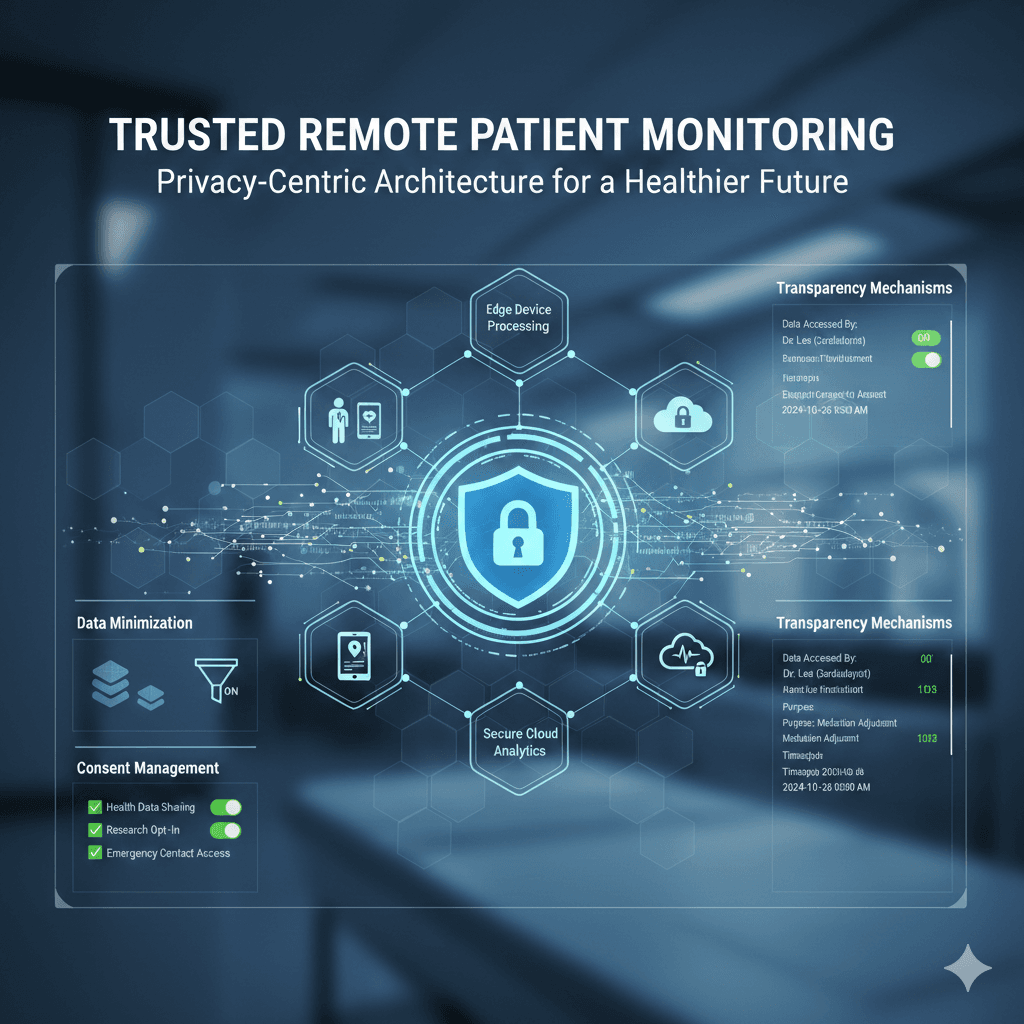
HIPAA, GDPR, ISO 13485: A Quick Guide for Connected Health Startups
Navigate the complex landscape of healthcare compliance with this practical guide. Understand HIPAA, GDPR, and ISO 13485 requirements and how they apply to your connected health product.
In the world of connected health, a great product isn't just one that works—it's one that is compliant. If you are building an Internet of Medical Things (IoMT) device, you aren't just an engineering company; you are a data custodian. You are stepping into a minefield of acronyms—HIPAA, GDPR, ISO 13485—where a single misstep can lead to massive fines, market bans, or a loss of patient trust.
This guide breaks down the three "Big Bosses" of healthcare compliance and explains how they apply specifically to your connected product.
1. HIPAA (The US Standard)
What it is: The Health Insurance Portability and Accountability Act. Who it applies to: Anyone handling "Protected Health Information" (PHI) for US patients.
For connected device manufacturers, HIPAA is less about "privacy" in the abstract and more about technical safeguards. You are likely acting as a "Business Associate" to a hospital or clinic, meaning you are legally liable for the data you process.
- The "Encryption" Imperative: HIPAA demands that PHI be encrypted "at rest" and "in transit."
- In Practice: Your device cannot send plain-text Bluetooth packets. Your cloud database cannot store patient names in clear text. You must use AES-256 for storage and TLS 1.2+ for transmission.
- The Business Associate Agreement (BAA): You cannot just use any cloud provider. You must sign a BAA with AWS, Google Cloud, or Azure. This legal contract ensures that they also accept liability for the PHI hosted on their servers.
- Audit Trails: HIPAA requires you to know who touched the data. Your platform must log every time a doctor views a patient’s dashboard or an admin changes a setting.
2. GDPR (The EU Standard)
What it is: The General Data Protection Regulation. Who it applies to: Anyone processing personal data of EU citizens.
GDPR is broader and stricter than HIPAA. While HIPAA focuses on medical data, GDPR covers any personal data (IP addresses, names, emails).
- Explicit Consent: You cannot bury consent in a 50-page Terms of Service. Users must actively "opt-in" to data collection with clear language.
- The "Right to be Forgotten": A patient has the legal right to demand you delete all their data.
- The IoMT Challenge: If a patient requests deletion, can you technically wipe their data from the cloud, the app, and the cached memory on the physical device? Your architecture must support this "kill switch."
- Data Sovereignty: You generally cannot store European patient data on US servers without complex legal frameworks (Standard Contractual Clauses). Most companies solve this by spinning up a dedicated AWS region in Frankfurt or Dublin for their EU users.
3. ISO 13485 (The Quality Standard)
What it is: Medical devices — Quality management systems. Who it applies to: Manufacturers seeking regulatory approval (FDA, CE Mark).
Unlike HIPAA and GDPR, which are about data, ISO 13485 is about process. It proves you run a disciplined engineering shop that produces safe products consistently.
- Traceability: You must prove that every line of code can be traced back to a specific requirement and a specific test. If your app crashes, can you trace that bug back to the exact developer commit and the original design doc?
- Risk Management (ISO 14971): You must document every potential failure. What happens if the Wi-Fi cuts out during a firmware update? What if the battery dies mid-measurement? ISO 13485 mandates that you anticipate these risks and design mitigations before you ship.
- Supplier Control: You are responsible for your vendors. If you buy a Bluetooth chip from a supplier, you must audit their quality processes. If they change the chip architecture without telling you, your certification could be void.
The IoMT Intersection: Where They Overlap
For a connected device, these three standards are not separate silos; they are a Venn diagram.
- Security: Implementing strong encryption (AES-256) satisfies requirements for both HIPAA (Security Rule) and GDPR (Article 32).
- Documentation: The traceability logs you keep for ISO 13485 (Design Controls) will be the first thing a HIPAA auditor asks to see if you have a data breach.
- Risk Analysis: Your ISO 14971 risk file should include "Cybersecurity Risks," which directly supports your GDPR "Data Protection Impact Assessment" (DPIA).
Practical Checklist for Compliance
- BAA Signed: Have you signed Business Associate Agreements with all your cloud vendors?
- Encryption Everywhere: Is data encrypted on the device, in the app, and in the cloud?
- Consent Flow: Does your app have a granular, "opt-in" consent screen?
- Traceability Matrix: Can you link every feature in your app to a specific line of code and a specific test case?
- Data Siloing: Is your EU patient data physically separated from your US patient data?
Summary
Compliance is not a feature you add at the end; it is the foundation you build on. By designing for HIPAA, GDPR, and ISO 13485 from Day One, you insulate your company from liability and, more importantly, you build a product that patients and doctors can trust.