Why Compliance Cannot Be an Afterthought in Digital Health
Understand the critical importance of building compliance into your digital health product from day one. Learn the costly consequences of retrofit compliance and strategies for compliance-first development.

hiIn the rush to launch a Minimum Viable Product (MVP), digital health startups often treat regulatory compliance as a final hurdle to clear just before release. This is a fatal strategic error. In the medical device world, compliance is not a wrapper you add at the end; it is the skeleton of your product. Attempting to "bolt on" FDA or MDR compliance after you have written the code is known as "Compliance Debt," and it comes with a punishing interest rate.
Here is why building compliance from day one is the only viable path for scalable health tech.
1. The High Cost of Retrofitting
Imagine building a house and then realizing the foundation needs to be earthquake-proof after the roof is already on. That is what happens when you try to apply IEC 62304 (medical software lifecycle processes) to a finished codebase.
- The Documentation disconnect: You cannot simply write documentation to match the code after the fact. Regulatory bodies require proof that the design process itself was controlled. If you lack the "traceability matrix" linking your initial user needs to your final verification tests, you often have to re-execute months of testing.
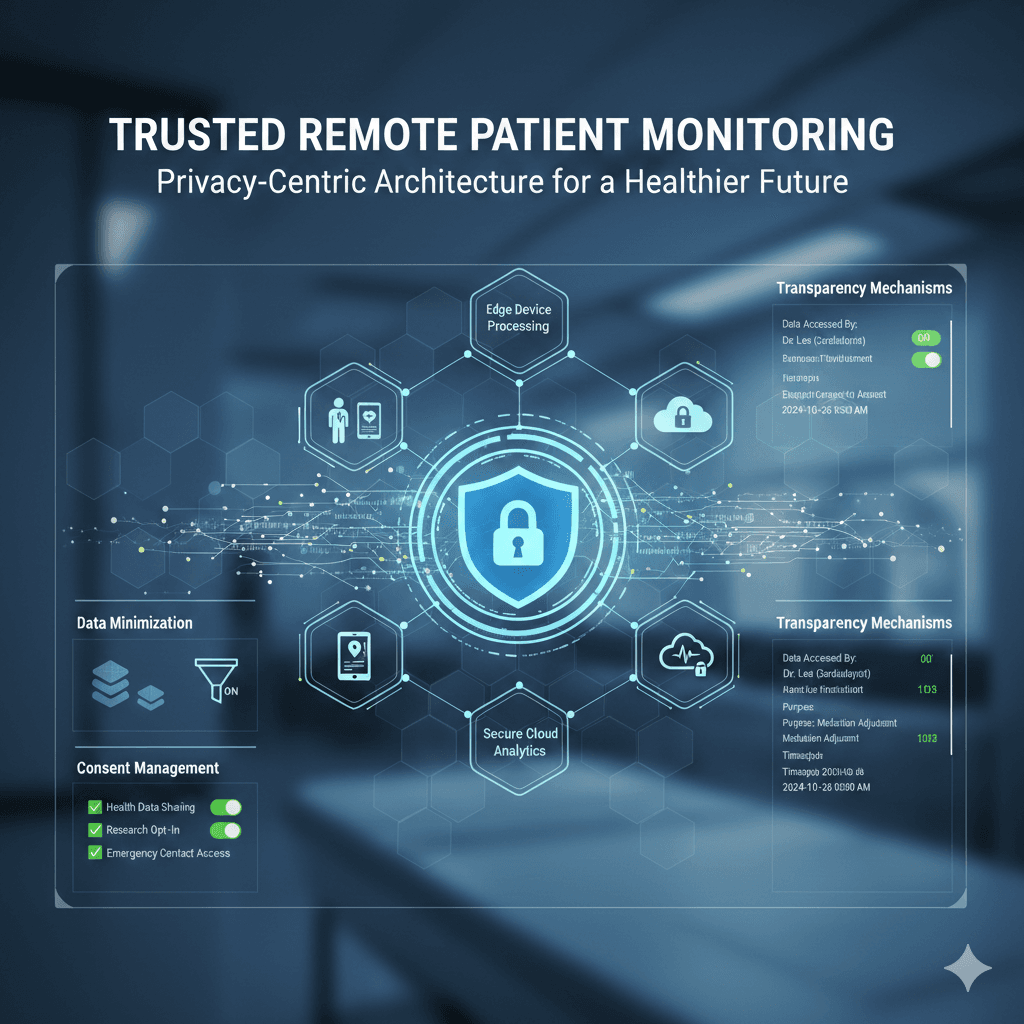
- The Architecture Trap: Security and privacy requirements (like HIPAA’s audit trails or GDPR’s "Right to be Forgotten") fundamentally dictate your database schema and API architecture. If you build a standard user database first, you may have to tear it down and rebuild it entirely to support mandatory features like data encryption at rest or granular consent management.
- Blocked Market Access: The most painful cost is time. If a regulatory auditor finds a gap in your Design History File (DHF), they won’t just ask you to fix the document; they may pause your market entry for 6–12 months while you remediate the entire system. In a competitive market, that delay is often terminal.
2. Strategies for Compliance-First Development
To avoid these pitfalls, you must shift compliance "left"—moving it to the very beginning of the development lifecycle.
- Treat Regulations as User Requirements: Do not view regulations as legal constraints; view them as product features. "Patient Data Privacy" is just as critical a feature as "Login." When writing your user stories, include regulatory acceptance criteria. For example, a story about a user profile should include: "Acceptance Criteria: User can export all their data in a machine-readable format (GDPR Art. 20)."
- Documentation as Code: In modern DevOps, documentation should live alongside the code. Tools like JIRA or specialized ALM (Application Lifecycle Management) software allow you to link a line of code directly to a risk analysis or a design requirement. This automates the "traceability" that auditors demand. When a developer changes the code, the system flags the associated requirement for re-testing, keeping your documentation perpetually audit-ready.
- The "Intended Use" Statement: Before writing a single line of code, define exactly what your product does and does not do. This "Intended Use" statement is the North Star for your regulatory strategy. If you claim your app "diagnoses depression," you are a Class II medical device. If you claim it "tracks mood," you might be a lower-risk wellness tool. Defining this early prevents you from accidentally building features that trigger massive regulatory burdens you aren't prepared for.
3. The Cultural Shift
Finally, compliance must be democratized. It cannot be the sole responsibility of a "Quality Manager" sitting in a corner office. Developers, designers, and product managers must all be trained in basic regulatory concepts. When an engineer understands why they need to document a code change (patient safety), they are more likely to do it correctly than if they are just following a bureaucratic rule.
Summary: Compliance is Quality
Ultimately, the regulations governing medical devices—MDR, FDA 21 CFR Part 820, ISO 13485—are essentially just rigorous quality assurance frameworks. By embracing them early, you aren't just checking boxes for the government; you are building a more robust, secure, and reliable product for your patients. In healthcare, the "fastest" way to market is to do it right the first time.