Bridging the Gap Between Hospital and Home with Smart Devices
Explore how connected medical devices are enabling seamless care transitions from hospital to home. Learn about remote monitoring setups, caregiver coordination, and continuous care delivery models.
The transition from a hospital bed to the comfort of home is a critical phase in any patient’s recovery. Traditionally, this was a "blind spot" for doctors—a period where they had to rely on a patient’s memory or handwritten logs. Today, a new generation of smart, wireless medical devices is changing the narrative, ensuring that care remains continuous, data-driven, and proactive.
Seamless Monitoring, Real-Time Peace of Mind
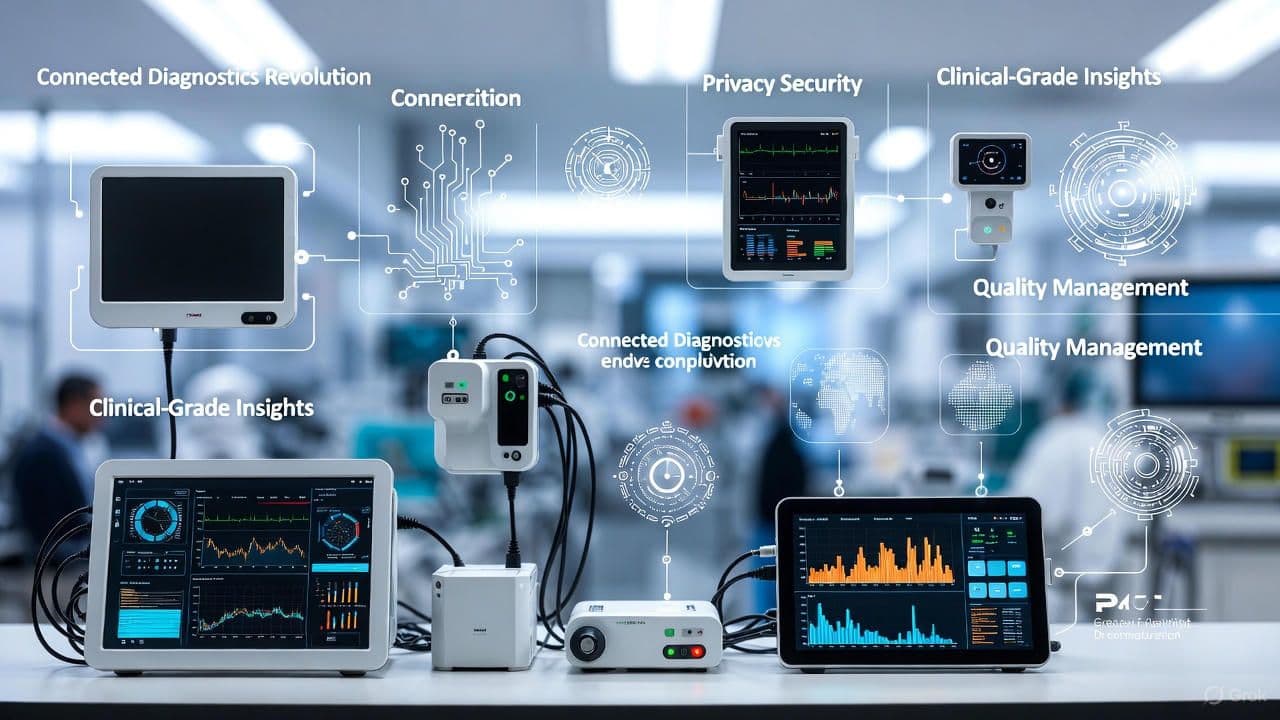
The foundation of this seamless transition lies in the ability to capture clinical-grade data without the need for wires or hospital staff. By utilizing Wireless Pulse Oximeters, patients can track their blood oxygen levels and heart rate throughout the day. Unlike traditional spot-checks, these devices sync directly to a mobile app, allowing clinicians to spot respiratory trends or sudden drops in oxygen levels before they become emergencies.
For those managing chronic conditions or metabolic health, the Smart Glucometer has become an indispensable tool. By eliminating the need for manual logging, every reading is automatically captured, timestamped, and categorized on the user’s smartphone. This creates a high-fidelity map of blood sugar fluctuations that both the patient and the physician can review during virtual consultations.
Precision at Every Step
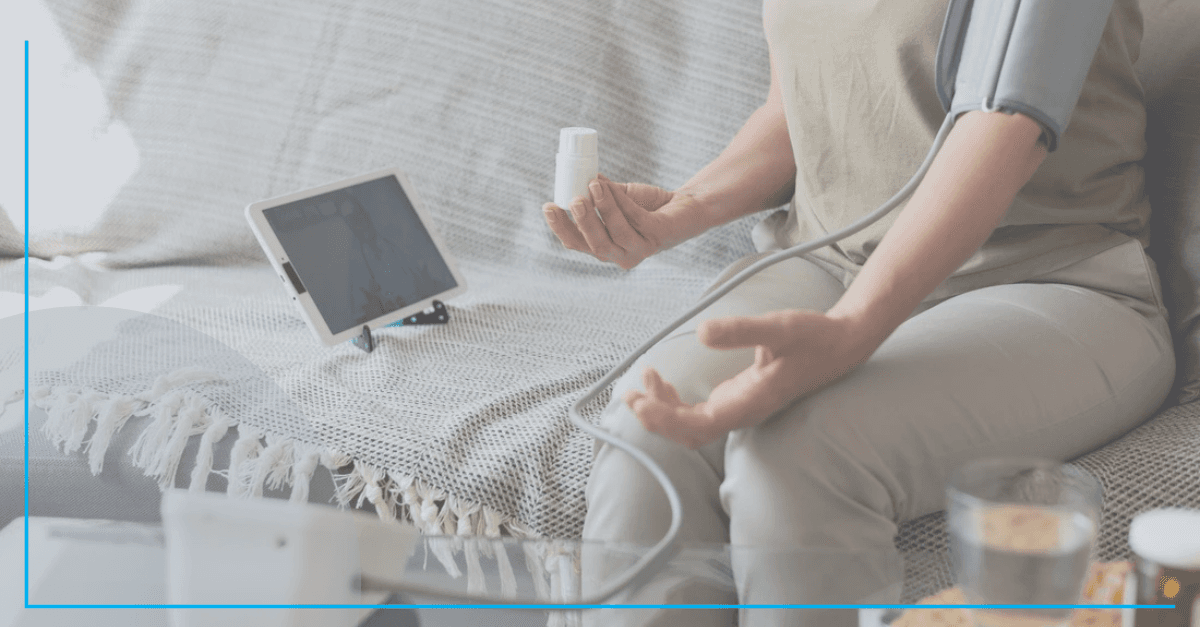
Care coordination is further enhanced by the use of Smart Weighing Scales and Bluetooth Blood Pressure Monitors. In cases like congestive heart failure, a sudden increase in weight can be a red flag for fluid retention. A connected scale identifies these shifts instantly, triggering an alert to the care team. Similarly, smart BP monitors allow for "white-coat-free" readings in a relaxed home environment, providing a much more accurate picture of a patient’s cardiovascular health over time.
Even the simple act of taking a temperature has been transformed. Smart Contactless Thermometers allow for hygienic, rapid testing, with every fever spike logged in a digital history. This data is invaluable during the post-operative phase, where early detection of a fever can be the first sign of a developing infection.
The Mobile Device: The Heart of the Home Clinic
The true "brain" of this operation is the patient’s smartphone. By acting as a central hub, the mobile device collects data from all these peripherals—the pulse ox, the scale, the BP monitor—and transmits it to a secure cloud. This ensures that the "seams" in care are closed. Patients no longer feel isolated, and doctors no longer have to guess.
By integrating these connected devices into daily routines, we are moving away from reactive "sick care" and toward a model of continuous, preventative wellness. The hospital-to-home transition is no longer a gap in care; it is simply a change in location.