Beyond Wearables: The Rise of Connected Diagnostic Devices
Move beyond fitness trackers and smartwatches. Discover the emerging category of connected diagnostic devices that bring clinical-grade measurements and lab-quality data to point-of-care settings.
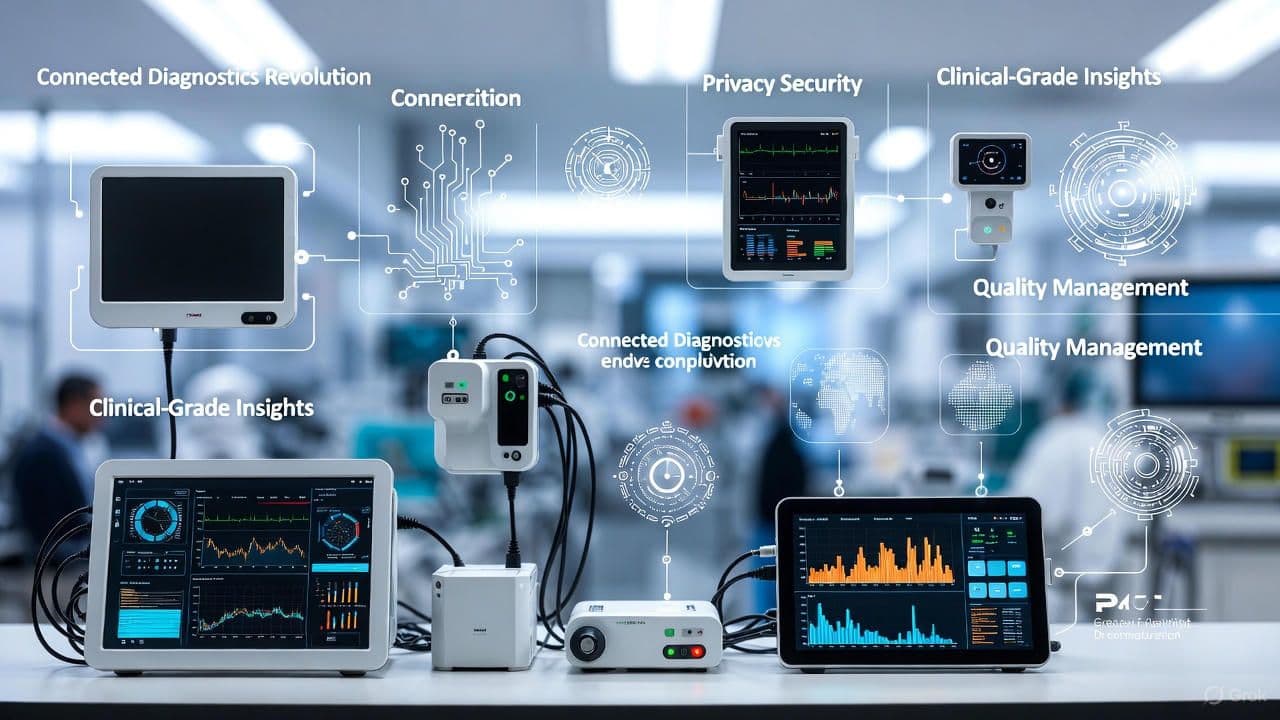
To truly bridge the gap between hospital and home, care teams rely on a core set of connected devices. These tools go beyond simple observation; they capture the specific physiological data needed to make clinical decisions remotely.
1. Connected Blood Pressure Monitor
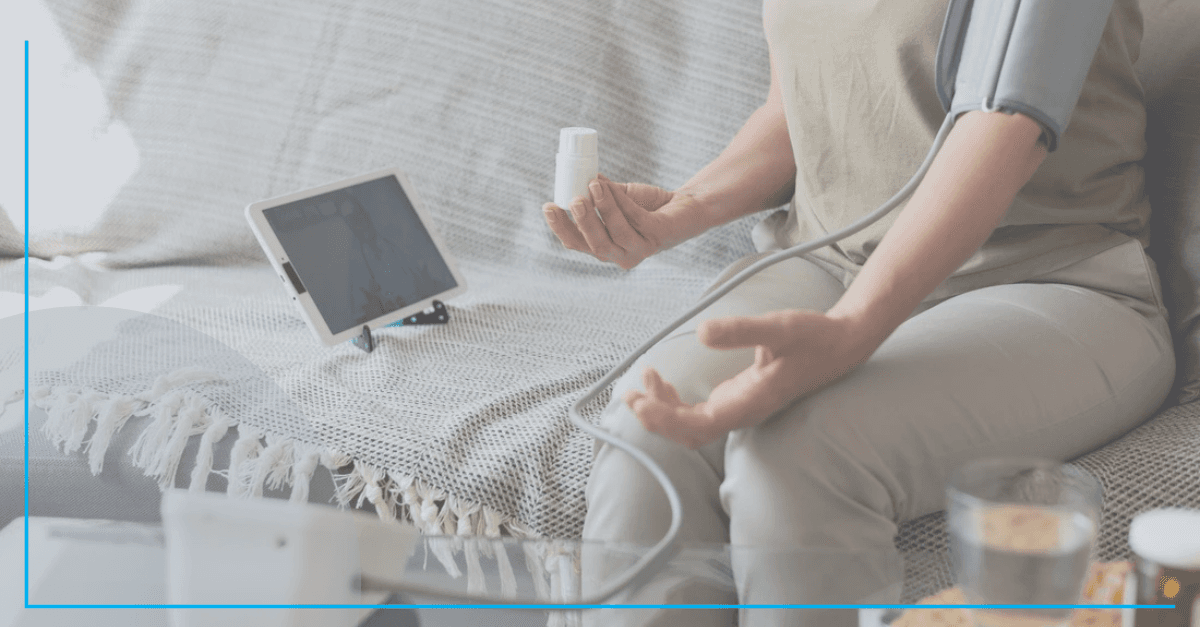
Hypertension management requires consistent, accurate data that a single doctor's visit cannot provide. Connected BP monitors transform how blood pressure is tracked.
- Automatic Data Transfer: Readings are instantly synced to the patient's profile, eliminating transcription errors common with manual logbooks.
- Trend Analysis: The system visualizes blood pressure trends over time, allowing doctors to adjust medication dosages with precision based on weeks of data rather than a single moment.
2. Smart Weighing Machine
In the context of chronic care management, a scale is a powerful diagnostic tool, particularly for patients with heart failure or kidney conditions.
- Fluid Retention Alerts: Sudden weight gain is often the first sign of fluid buildup. These devices can trigger automatic alerts to the care team if a patient gains more than a specific amount in 24 hours.
- Body Composition: Advanced sensors track metrics beyond total weight, such as hydration levels and muscle mass, providing a holistic view of the patient’s physical status.
3. Smart Thermometer
Fever is a primary indicator of infection, especially in post-operative patients. Connected thermometers turn a simple temperature check into a traceable data point.
- Fever Curves: The device logs temperature changes over time, creating a "fever curve" that helps clinicians distinguish between a transient spike and a developing infection.
- Multi-Profile Tracking: Secure data handling allows the same device to track different family members or patients while keeping their health records separate and private.
4. Portable ECG Monitor
While many devices track heart rate, a dedicated portable ECG is essential for diagnosing cardiac rhythm abnormalities.
- Clinical-Grade Waveforms: These devices capture detailed electrical signals of the heart, offering a level of detail comparable to hospital equipment.
- Arrhythmia Detection: They are specifically designed to detect irregularities like Atrial Fibrillation (AFib) that standard heart rate monitors might miss.
- Immediate Sharing: In the event of palpitations or chest pain, a patient can record an ECG and share the waveform instantly with a cardiologist for review.
5. Wireless Pulse Oximeter
Respiratory health is a critical metric, particularly for patients recovering from pulmonary issues. Connected pulse oximeters provide continuous insight into oxygen saturation.
- Continuous Saturation Tracking: Unlike spot checks, connected devices can monitor SpO2 levels over longer periods to identify desaturation trends during sleep or activity.
- Perfusion Index: Many advanced models also measure blood flow strength, ensuring that the reading is accurate and reliable even in patients with poor circulation.
How These Devices Work Together
The true value of this suite lies in the combination of data. When a doctor can see a patient’s weight, blood pressure, oxygen levels, and cardiac rhythm all on one dashboard, they have a complete picture of the patient's health. This ecosystem allows for "Hospital-at-Home" programs to function safely, ensuring that patients receive the right care at the right time, without stepping foot outside their door.