IoMT Is Not Just a Buzzword - It is the Backbone of Decentralized Care
Understand how the Internet of Medical Things is transforming healthcare delivery from centralized hospitals to decentralized, patient-centered care networks. Explore real-world implementations and their impact.
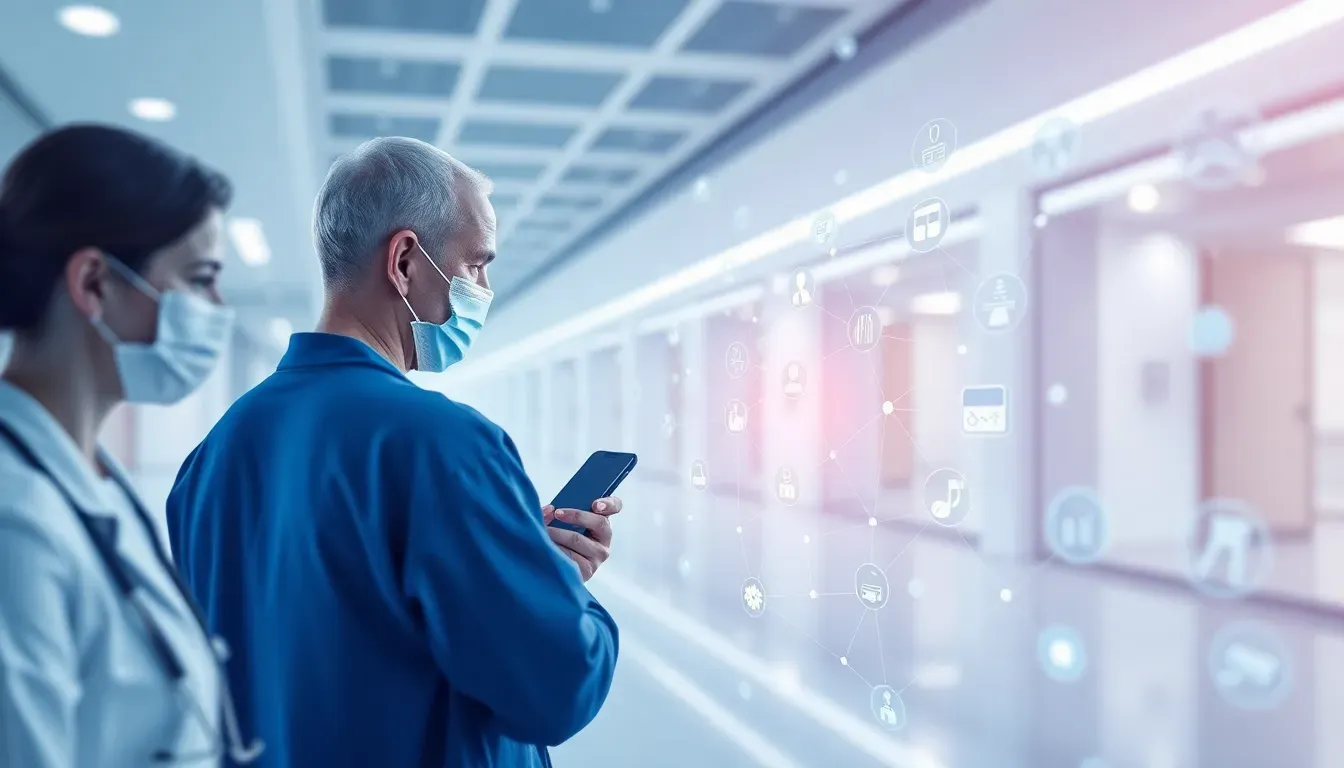
For the last century, healthcare was built on a Centralized Model: if you were sick, you traveled to the "Hub" (the hospital), stayed there until you were stable, and then went home with little to no oversight. The Internet of Medical Things (IoMT) is inverting this model. We are moving toward a Decentralized, Patient-Centered Network where the hospital is not a physical location, but a set of services delivered to wherever the patient happens to be.
1. The "Hospital-at-Home" Revolution
The most tangible example of this shift is the Hospital-at-Home (HaH) movement. This isn't just "home care"; it is the delivery of acute-level care (IV antibiotics, oxygen therapy, continuous vitals monitoring) in a bedroom.
- Real-World Implementation: Mayo Clinic & Kaiser Permanente launched the "Advanced Care at Home" model. By using a command center that aggregates data from IoMT devices (biometric patches, connected tablets), they treat conditions like pneumonia and heart failure at home.
- The Impact: Studies have shown this model reduces readmission rates by over 50% compared to traditional hospitalization, while significantly lowering the risk of hospital-acquired infections.
2. "Virtual Wards" for Chronic Management
Instead of waiting for a diabetic patient to go into shock and visit the ER, IoMT enables "Virtual Wards" that monitor thousands of patients simultaneously.
- Real-World Implementation: The NHS (UK) has rolled out "Virtual Wards" across the country. Patients with respiratory conditions or heart failure are given a kit of connected devices (pulse oximeters, BP monitors).
- The Impact: A single clinical team can monitor 50+ patients from a dashboard. If a patient's oxygen saturation drops at 2:00 PM, the team intervenes via video call at 2:05 PM, preventing an ambulance ride at 8:00 PM.
3. Decentralized Clinical Trials (DCT)
IoMT is also democratizing medical research. Historically, clinical trials were restricted to people who lived near major research centers.
- Real-World Implementation: Pharmaceutical companies are now using connected wearables (like the Apple Watch or Verily’s Study Watch) to collect endpoint data remotely.
- The Impact: This allows rural populations and those with mobility issues to participate in cutting-edge research, leading to more diverse and representative medical data.